Español

February 3, 2026

And why I searched for the best thyroid surgeon the same way you should
I'm going to tell you something most doctors won't admit: when my own family needs surgery, I don't just call a colleague and hope for the best.
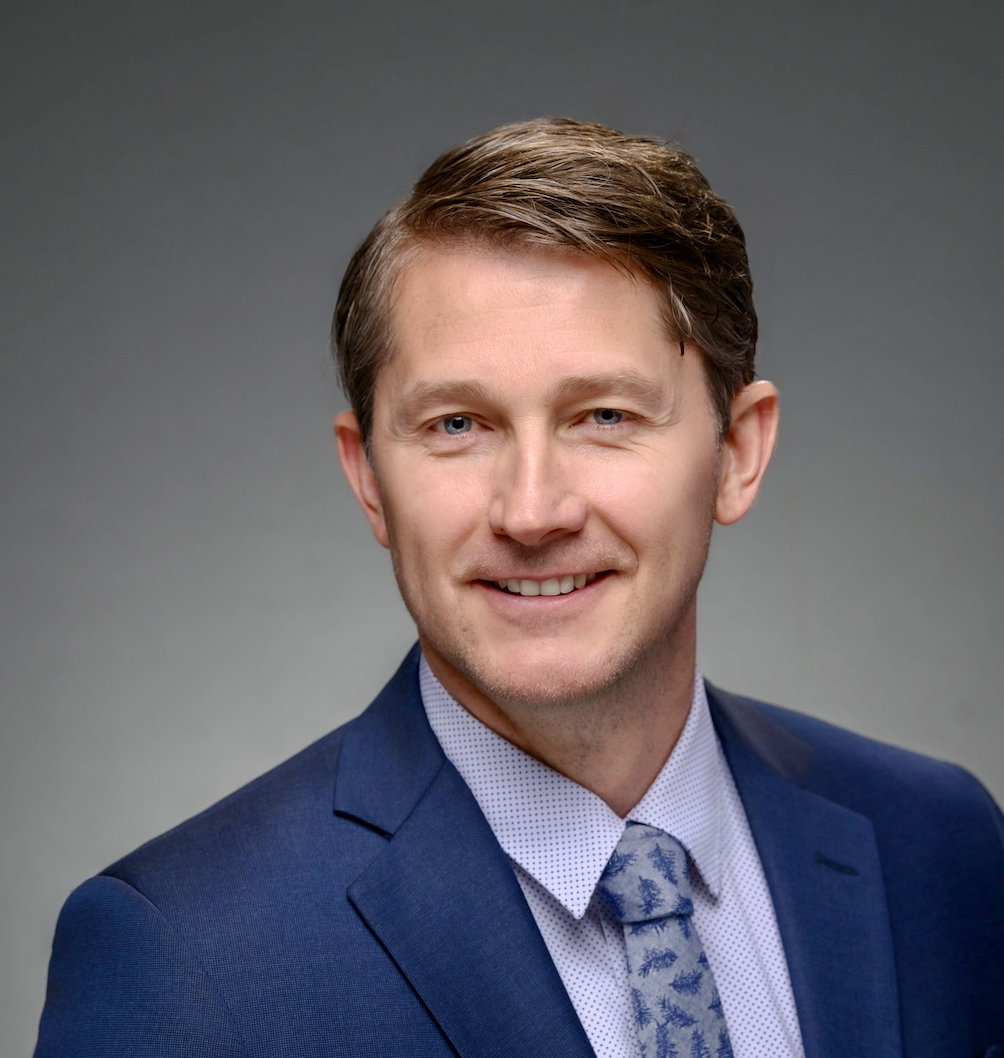
I'm a thyroid surgeon. I've performed thousands of thyroid and parathyroid surgeries. I've trained at Johns Hopkins. I've published hundreds of papers. But when someone I love needs an operation? I turn into exactly what you are right now: a concerned family member trying to figure out who's actually the best.
Not who has the fanciest office. Not who takes my insurance. The best.
Here's the thing that might surprise you: finding the best surgeon isn't actually that hard when you know what to look for. And I'm going to show you exactly how I do it.
Let me be honest with you. For some procedures, it doesn't really matter who you pick.
If my kid needs ear tubes, I'm not losing sleep. Any board-certified ENT has done that procedure 500+ times. The risks are low. The technique is straightforward. I can relax a little.
But thyroid surgery? Parathyroid surgery? This is where it absolutely matters.
These operations sit right next to your vocal cords, your parathyroid glands that control your calcium, and critical nerves that affect your voice and swallowing. A surgeon who does this twice a month will never have the same outcomes as someone who does it twice a week.
And when it's your thyroid, your voice, your life? You deserve someone who can do this surgery in their sleep.
Here's an insider secret: OR nurses know who the best surgeons really are.
Doctors can be influenced by prestige, ego, or medical school rankings. But the nurses in the operating room? They see everything. They know who has steady hands. They know who stays calm when things get complicated. They know who actually cares about the patient on the table.
What you can do: If you know anyone in healthcare—a nurse, a PA, a tech—ask them who they'd trust with their own family. You'll get the real answer.
This is non-negotiable for me.
For thyroid and parathyroid surgery, your surgeon should have done thousands of these operations. Not hundreds over their career. Thousands.
They should be doing hundreds every year. That means they're operating on thyroid or parathyroid patients at least a couple times a week, every single week.
Why does volume matter so much? Because these are intricate operations with razor-thin margins for error. The surgeon needs to have muscle memory. They need to have seen every variation, every complication, every unusual anatomy.
What you can do: Don't be shy. Ask directly: "How many of these surgeries have you performed? How many do you do each year?" Any great surgeon will answer this proudly.
Training programs matter. They're not everything—but they're something.
High-quality programs like Johns Hopkins, Mayo Clinic, Cleveland Clinic, or other top academic centers have resources, case volume, and standards that produce well-rounded surgeons. These programs have reputations to protect, and they care about their graduates' outcomes.
What you can do: Look up your surgeon's training on their website or Healthgrades. You're looking for recognized programs—not necessarily Ivy League, but places with strong reputations in endocrine surgery.
If a surgeon publishes research papers on abdominal surgery but I need thyroid surgery... well, they're not really a thyroid specialist, are they?
You don't need someone with 200 publications (though that doesn't hurt). But they should have at least a few papers, presentations, or contributions to their field. This tells me they're thinking deeply about their specialty, not just going through the motions.
What you can do: Google your surgeon's name. Check their CV on their practice website. See if they've written about thyroid or parathyroid surgery. Are they advancing the field?
This is the one that really matters to me.
When my family needs thyroid surgery, I want to know the surgeon is up to date on the latest innovations—whether they use them in my case or not.
For thyroid surgery specifically, that means:
Why this matters: A surgeon who's staying current and leading their field shows me they're passionate about their patients. They're not just phoning it in. They genuinely care about delivering the best possible results.
What you can do: Check what procedures and technologies the surgeon offers. If they're only doing "traditional" approaches when better options exist, that's a red flag.
Notice what's missing from my checklist?
Insurance.
I know that sounds crazy. But hear me out.
When I'm looking at a complicated surgery where a bad outcome could be life-changing—where my voice could be permanently damaged, where I could need lifelong calcium supplements, where I could have a visible scar on my neck forever—I don't want to feel like I compromised on quality because of a deductible.
Many top surgeons are out-of-network because they've chosen to focus purely on outcomes rather than insurance company restrictions. And here's what most people don't know: many insurance companies will still reimburse you for out-of-network care, especially when you need a specialist with specific expertise.
This is an investment that seems too important to compromise on.
If you're reading this, you or someone you love probably needs thyroid or parathyroid surgery.
I wrote this article because I've been where you are. I've had family members who needed surgery. I've had to make these decisions. And I've seen what happens when patients choose based on convenience versus outcomes.
The best thyroid surgeons aren't hiding. They're the ones doing hundreds of these operations every year. They're advancing the field with new techniques. They're publishing research. They're training the next generation.
And most importantly? They're getting better outcomes.
At the Russell Center for Endocrine Health, we specialize exclusively in thyroid and parathyroid surgery. We perform hundreds of these operations every year using the most advanced techniques available—including scarless TOETVA surgery, radiofrequency ablation, and thyroid rejuvenation procedures that combine surgical excellence with aesthetic outcomes.
Because when it's your thyroid, you deserve the same level of care I'd demand for my own family.
Ready to learn more about your thyroid surgery options? Contact us to schedule a consultation and discover why patients travel from across the world for thyroid care at the Russell Center.

Centro de salud y cirugía tiroideas/paratiroideas de primer nivel ubicado en el área metropolitana de DC/Baltimore.